
Optimizing Thermostat Settings for Efficiency

Get More from Your Thermostat: Simple, Practical Tips
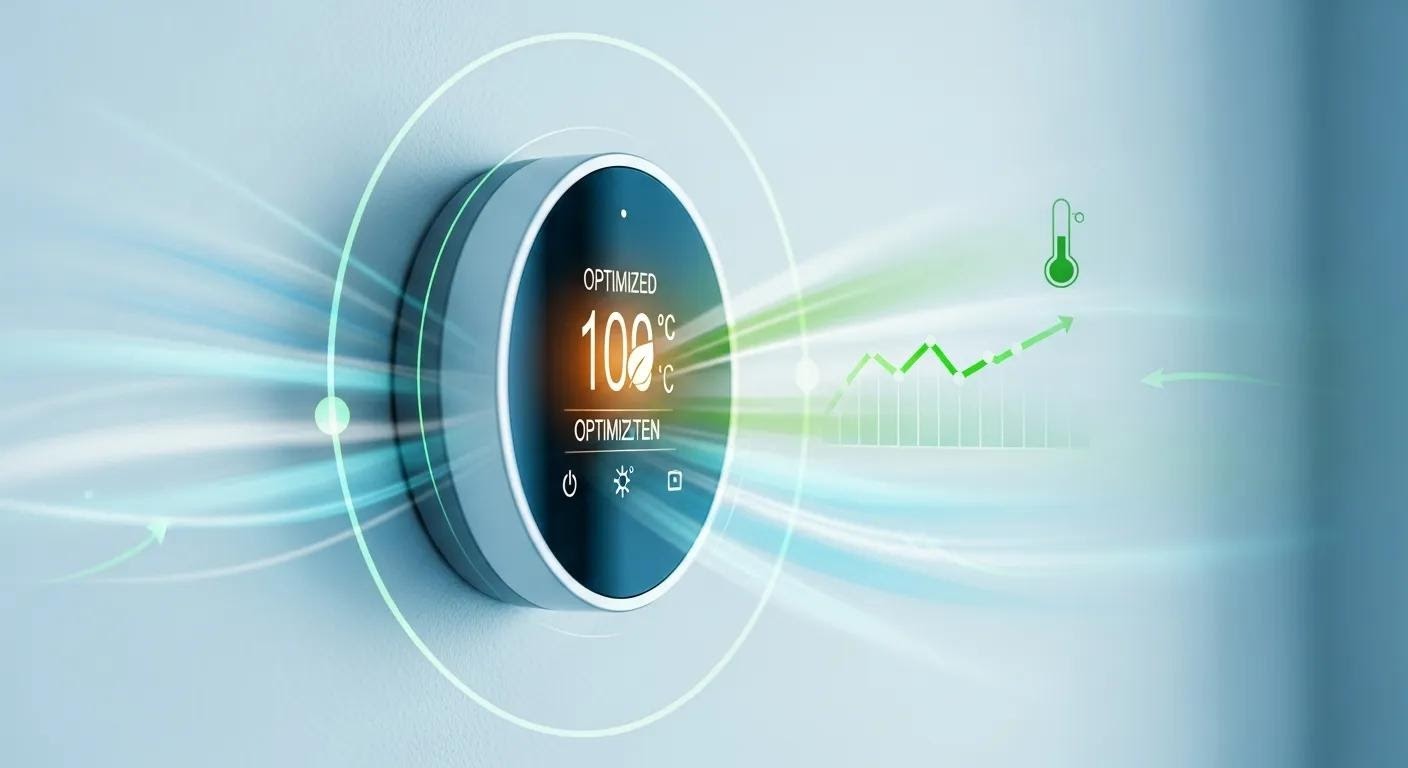
Small thermostat changes can noticeably improve comfort and lower your heating bill. This guide walks you through clear, practical steps to get better performance from your heating system — without sacrificing warmth. We cover common thermostat mistakes, how programmable and smart controls help, basic furnace care, and simple actions you can take today to save energy and money.
Start with a straightforward plan: choose a baseline schedule that matches when people are usually home, then tweak it based on comfort and observed runtime. Small, deliberate adjustments are easier to measure than big swings — and they help you pinpoint what actually works for your house. Keep a short log for a few weeks (target settings, times, and any notable indoor or outdoor conditions) so you can tell what truly improves efficiency versus what just feels right.
When you keep a log, include the outdoor temperature, the thermostat setpoint, and an approximate runtime or activity note (for example, cooking, many people home, or a cold morning). If your thermostat supplies weekly or monthly reports, attach those summaries to the log. Comparing the log to your utility bills and to periods before you changed settings makes it easier to separate weather-driven usage from changes you made intentionally.
How the right thermostat settings improve heating efficiency
Your thermostat controls how often the furnace runs, so sensible settings are one of the easiest ways to cut energy use. Set it thoughtfully and you’ll stay comfortable while burning less fuel. Many homeowners lose efficiency by keeping temperatures higher than needed or by not using scheduling features — both are quick fixes that pay off over time.
Thermostat changes work best when they match how heat moves through your home. For example, thermal lag means a house warmed early may stay comfortable longer after you lower the setpoint, so plan schedules with that delay in mind. A typical weekday schedule might raise temperature shortly before people wake, lower it during an empty daytime, warm again before evening activities, and drop for sleeping hours. Test timing for a week and adjust so the system isn’t “catching up” while you’re using the space.
As a concrete example, a conservative weekday pattern could raise to a comfortable daytime setpoint about 30–60 minutes before wake time, step down once the house is empty, and return to comfort about 30–60 minutes before evening activity. Weekends or irregular days can use a separate schedule so you’re not running the furnace to meet an empty-house routine. Use short trials to find the best offsets for your home’s thermal response.
Common thermostat mistakes that raise energy bills
A few simple habits drive up heating costs: keeping the house warmer than necessary, not programming around your routine, and ignoring built‑in modes like “away” or “vacation.” Fixing these is usually quick and inexpensive and often translates to noticeable savings.
How much can smarter thermostat settings save?
Smarter settings add up. Lowering the thermostat at night or while you’re out can cut heating use significantly — many estimates put savings at roughly 10% per degree over an extended period. Likewise, holding a steady temperature instead of constantly changing the dial helps the system run more efficiently and reduces wear.
Research also shows that well-planned thermostat strategies can deliver larger savings when applied consistently over months.
What programmable and smart thermostats do for home heating control
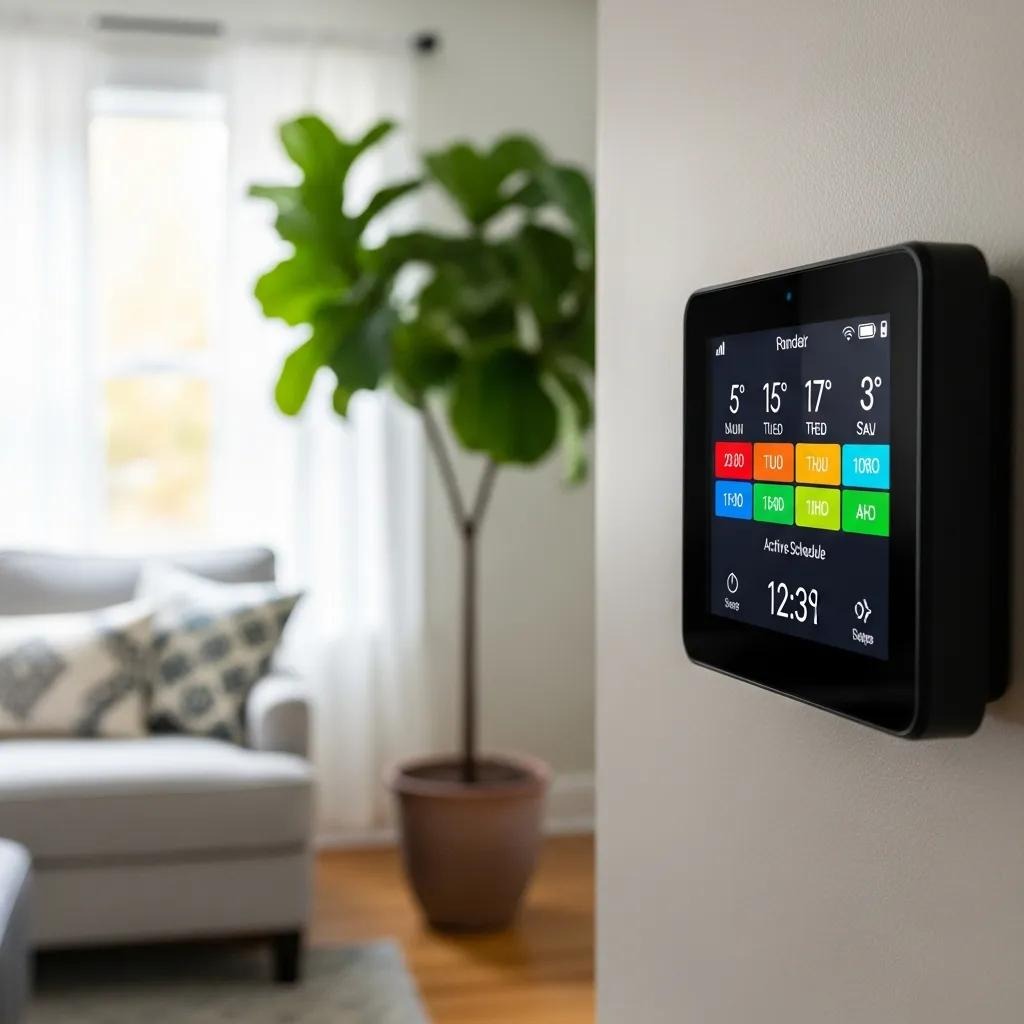
Programmable and smart thermostats remove guesswork from scheduling and can reduce wasted runtime. They let you set heating patterns that match your life so the furnace runs only when needed. Below we outline how each type saves energy and makes daily control easier.
When choosing between programmable and smart models, think about how you use your home. Programmable thermostats are simple and reliable for fixed schedules; smart thermostats add remote control, learning modes, and usage reports that simplify tuning. If your routine changes often, a smart thermostat’s adaptive features or geofencing can be useful. Before buying, check compatibility with your furnace and wiring (many smart models prefer a common “C” wire or adapter), and make sure the interface is something you’ll actually use.
For many homeowners the installation and placement of the thermostat matter as much as the features. Avoid locations with direct sun, strong drafts, or nearby heat sources (lamps, kitchens) that can confuse the sensor. If you’re unsure about wiring or compatibility, a quick site check by a technician or a short compatibility test during purchase prevents surprises.
How programmable thermostats save energy
Programmable units let you create daily or weekly schedules so you’re not heating an empty house. For example, lower the temp while you’re at work and warm the house again before you arrive. That simple scheduling prevents unnecessary heating and reduces fuel use without changing overall comfort.
To get the most from a programmable thermostat, use realistic time blocks (morning, daytime, evening, night) and avoid short, frequent changes that force the system to cycle more. Use vacation modes for extended absences and double‑check that programmed setpoints are active on holidays or unusual days.
What extra benefits smart thermostats add
Smart thermostats bring connectivity and learning features: remote control on your phone, adaptive schedules that learn your habits, and occupancy sensing to avoid heating unused rooms. Those capabilities make it easier to keep energy use tight and your home comfortable — even when routines shift.
Occupancy‑aware controls are especially effective because most homeowners don’t have time to fine‑tune HVAC settings manually.
How furnace maintenance affects thermostat performance and heating efficiency
Furnace maintenance keeps the system responding correctly to your thermostat and running efficiently. Regular care catches problems early, keeps parts clean, and helps the furnace reach and hold set temperatures without wasting energy.
Key maintenance checks that affect thermostat performance include filter condition, thermostat calibration and batteries, clear return and supply registers, and unobstructed vents and flues. Dirty filters increase blower runtimes and reduce comfort; calibration issues make the thermostat over‑ or under‑react. Include these items in seasonal checks and note any unusual noises or cycling patterns that could signal a deeper issue.
As a simple rule, inspect filters regularly and replace them when visibly dirty or when airflow drops noticeably. Frequency depends on filter type and household conditions, but checking monthly during peak use seasons helps avoid reduced airflow and excess runtime. Keeping vents and returns clear of furniture and dust is an easy, low‑cost way to keep airflow balanced and let the thermostat work as intended.
Why regular furnace tune-ups matter for thermostat effectiveness
Regular furnace tune-ups keep your system reliable and responsive. During a tune‑up, a technician cleans components, checks seals and controls, and verifies the furnace is firing and cycling correctly — so your thermostat delivers the results you expect.
When a technician inspects your system they’ll also confirm the thermostat is mounted in the right spot, wiring connections are secure, and sensors or auxiliary equipment work properly. These checks reduce the chance that a thermostat change causes unexpected behavior and help the home reach setpoints more predictably.
What furnace services improve heating system optimization?
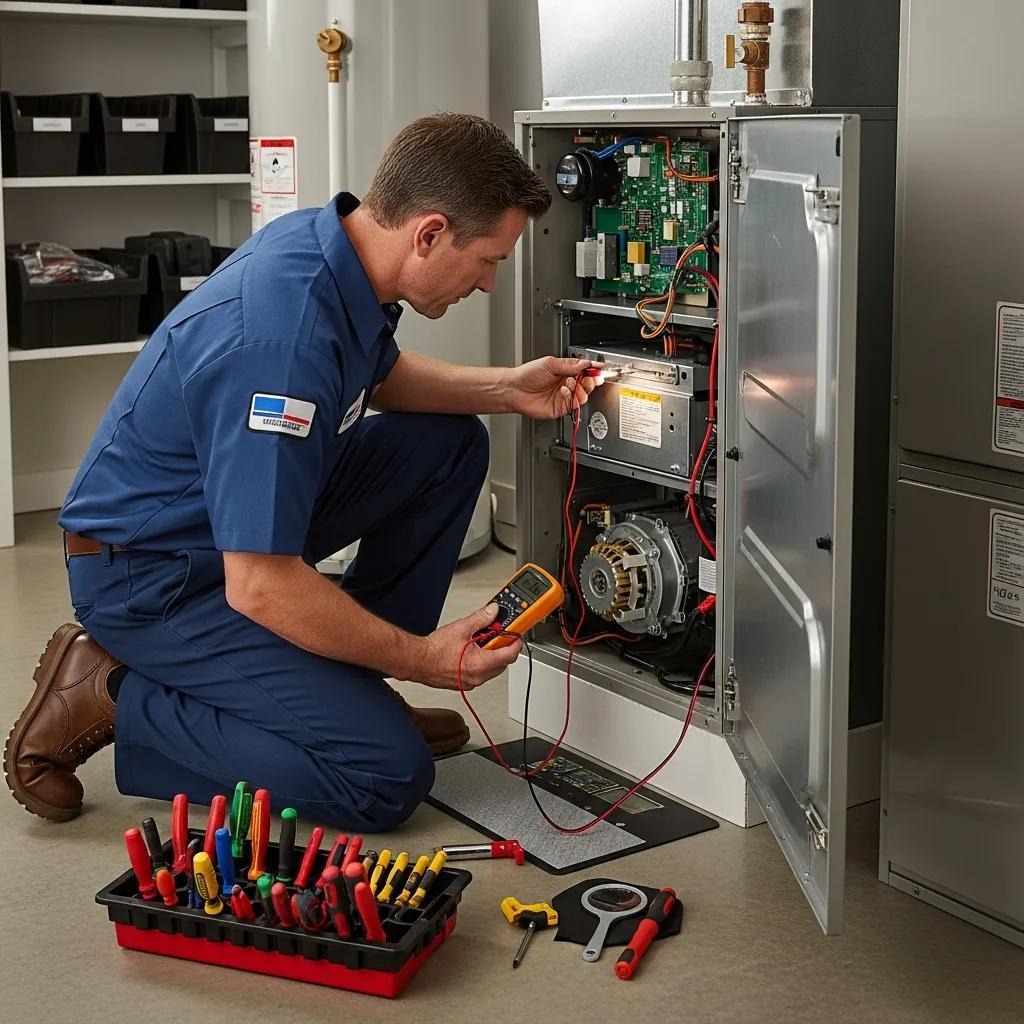
Services that keep your heating system lean and reliable include:
• Furnace Tune-Up : Scheduled inspections and small adjustments to maintain steady performance and prevent breakdowns.
• Furnace Service : A deeper inspection to find and fix issues that reduce efficiency and reliability.
• Furnace Maintenance : Ongoing care — filter changes, safety checks, and minor repairs that preserve efficiency over time.
• Furnace Repair : Prompt repairs to restore efficiency and prevent further damage when something goes wrong.
• Furnace Replacement : Upgrading to a newer, more efficient model when repair is no longer cost‑effective.
• Furnace Installation : Professional installation to ensure the new system performs at its rated efficiency.
Together, these services help your heating system run more efficiently and respond accurately to thermostat settings.
Choosing the right size and configuration during installation or replacement also matters. An oversized system will cycle frequently and cause uneven temperatures, while an undersized unit will struggle to meet setpoints. Professional sizing and a duct inspection improve how reliably the thermostat controls temperature zones and maintain comfort with lower overall runtime.
In addition to professional checks, simple homeowner actions support those services: keep the area around the furnace clear, note unusual odors or noises, and document recurring comfort issues so a technician can target inspection points. These small steps speed diagnosis and help maintain efficiency between formal services.
Easy, energy‑efficient thermostat tips you can use right away
You don’t need special equipment to start saving — a few practical thermostat habits deliver quick wins. The tips below are easy to apply and will begin lowering consumption immediately.
How to schedule thermostat settings for best savings
Base your schedule on when people are home. Lower the temperature while the house is empty and raise it shortly before people return. Seasonal tweaks help too — for example, aim for cooler overnight temps. A common guideline is lowering by 7–10 degrees during sleep or away periods for the best balance of comfort and savings.
Think in blocks: morning (wake and prep), daytime (away or low activity), evening (main living time), and night (sleep). Test each block for a week and adjust times and setpoints in small steps. If someone is home during the day — an infant, telecommuter, or pet requiring warmth — modify the schedule for occupied zones instead of the whole house.
Other quick wins include consolidating small setbacks into larger, predictable blocks (so the system spends less time chasing short-term adjustments), and using a “hold until” feature only when needed rather than as a permanent override. Small, consistent changes are easier to evaluate with the log you maintain.
What temperature settings balance comfort and lower bills?
The U.S. Department of Energy recommends about 68°F during the day and a 7–10°F drop at night or when you’re away. That range keeps most homes comfortable while trimming fuel use. Adjust slightly for personal comfort, but use those ps as a practical starting point.
Personal comfort depends on humidity, clothing, and activity: a slightly cooler setting with a warm sweater can be more comfortable and less expensive than a higher baseline. For households with sensitive occupants (infants, elderly, or medically vulnerable), prioritize comfort and consult a healthcare provider as needed.
How professional furnace services improve thermostat performance
Professional furnace work removes inefficiencies and helps your system follow the thermostat’s commands. Technicians diagnose issues that scheduling alone won’t fix, so you get the full benefit from any thermostat upgrade or setting change.
Technicians use diagnostic tools and runtime data to tune pressures, airflow, and control responses so the thermostat’s setpoints translate reliably into occupied-room temperatures. This work reduces overshooting and short cycling and often uncovers small leaks, dirty components, or control settings that harm overall efficiency.
What role does Habberjam at Home play in heating system optimization?
Habberjam at Home provides full-service furnace care — tune‑ups, maintenance, and repairs — that help your thermostat and furnace work together efficiently. Our team focuses on practical, cost‑effective solutions to lower energy use and improve comfort.
How do I schedule furnace maintenance and tune-ups for better efficiency?
To book a furnace tune‑up or maintenance, call Habberjam at (780) 451-3673 or visit our website to schedule online. Our hours are Monday to Friday, 7 am to 4 pm. Regular service keeps systems running at peak efficiency and reduces surprise repair costs.
Latest industry insights on thermostat and heating efficiency
Keeping up with industry findings helps you make smarter choices about controls and maintenance. Below are current trends and study results that support using modern thermostats and regular service to improve efficiency.
Recent trends emphasize interoperability and data-driven decisions: thermostats that report runtime and energy patterns give homeowners the information needed to fine‑tune schedules and spot inefficiencies. Utilities and manufacturers increasingly provide user-friendly energy reports and alerts that make behavior changes easier and help homeowners decide when to call for service.
What recent studies support programmable thermostat energy savings?
Multiple studies show programmable thermostats can cut heating costs by roughly 10–15% compared with manual controls. Those savings depend on correct setup and behavior, but they highlight the value of scheduling and automation.
How do smart home devices work with heating systems for better control?
Smart home devices integrate with thermostats to enable remote control, data-driven adjustments, and automation tied to occupancy or weather. This connectivity makes it easier to keep heating efficient without constant manual changes.
How to monitor and improve heating efficiency over time
Ongoing monitoring and small adjustments keep savings consistent. Use the tools below to track performance and spot opportunities for improvement.
A good monitoring habit is to chart a few simple metrics each week: setpoints, approximate runtime, and an indicator of outside temperature or weather. Plotting those on a simple spreadsheet or noting trends in the thermostat app helps you detect gradual shifts — for example, rising runtime at the same setpoint that could signal a filter issue or loss of insulation performance.
Tools and metrics to track thermostat and furnace performance
Smart thermostats often include energy reports that show runtime and temperature patterns. Whole‑home energy monitors can measure overall use. Reviewing these reports helps you spot wasteful habits and tweak your schedule or request service when needed.
A simple monitoring routine is: record a baseline (one to two weeks) of setpoints and runtime, compare monthly bills, and review the thermostat’s weekly or monthly energy report where available. Look for runtime spikes that weather alone doesn’t explain — if you see them, consider a maintenance check or inspect insulation and drafts.
How often should you audit and update thermostat settings and furnace services?
Aim for an annual audit of your thermostat schedule and a yearly furnace service. Seasonal check‑ins are useful too — adjusting for heating or cooling seasons keeps settings efficient as conditions change.
Besides annual service, run a quick seasonal audit: confirm setpoints match current occupancy, replace or clean filters, test thermostat batteries, and verify vents and registers are unobstructed. These short checks stop gradual drift away from efficient operation.
Frequently asked questions to help homeowners optimize thermostat settings
Quick answers to common thermostat questions to help you make fast, practical improvements.
How do I set my thermostat for energy savings?
To save energy with your thermostat, try these steps:
• Lower the Temperature : Aim for about 68°F during the day and reduce it when you’re asleep or away.
• Utilize Programmable Features : Set schedules to match your daily routine so the system isn’t running unnecessarily.
• Avoid Frequent Adjustments : Keep a steady schedule rather than constantly changing the temperature.
Follow these guidelines and you’ll notice lower energy use without giving up comfort.
As a practical approach, pick modest setpoint differences and roll them out gradually. If a 5‑degree overnight setback feels too cold, try 3 degrees first and increase the setback over a few weeks as everyone adapts. Combine behavioral steps (appropriate clothing, timed heating) with thermostat programming for the best results.
What are the best thermostat temperatures for winter and summer?
Recommended target temperatures:
• Winter : Around 68°F during the day; consider 60–65°F at night for extra savings.
• Summer : Aim for 75–78°F when you’re home and raise the temp when you’re away.
These ranges balance comfort and cost across seasons.
Remember that nighttime and away setbacks work best paired with good sealing, adequate insulation, and attention to humidity. Small household changes, like heavier bedding in winter or fans in summer, can make lower energy use feel more comfortable.
Conclusion
Small, consistent thermostat adjustments — combined with regular furnace care and the right controls — deliver real energy and cost savings. Use programmable or smart thermostats, keep a sensible schedule, and book annual maintenance to keep everything working efficiently. Ready to improve comfort and lower bills? Schedule a furnace check with our team today.

Customer Testimonials
Hear from satisfied customers who trust us for reliable HVAC and plumbing service across Edmonton



Customer Testimonials
Hear from satisfied customers who trust us for reliable HVAC and plumbing service across Wichita.
Service Areas