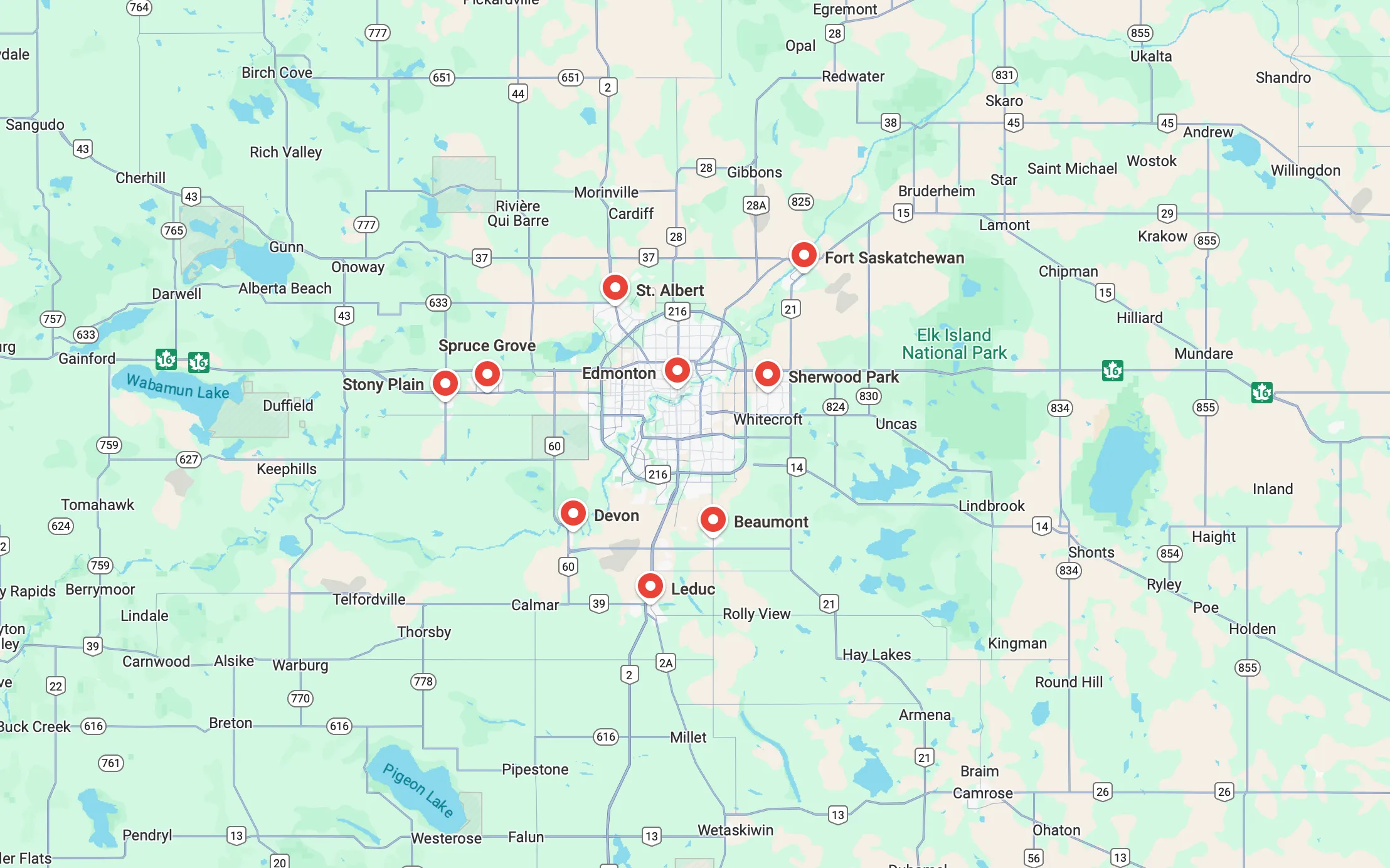

Top Energy-Efficient HVAC Upgrades for Edmonton Homes
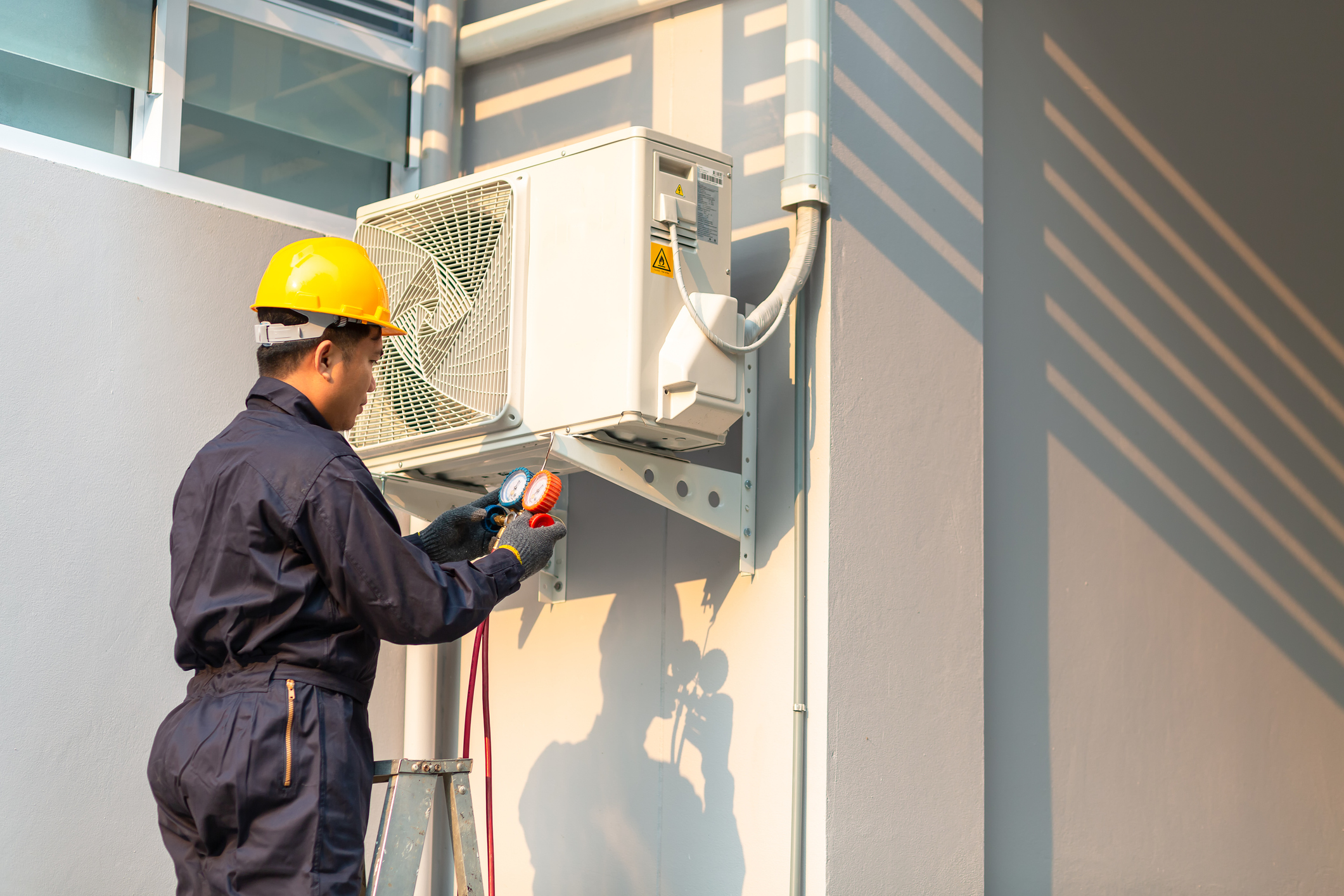
Energy-smart HVAC Upgrades for Edmonton Homes — Save Energy and Stay Comfortable
Upgrading your HVAC to more energy-efficient equipment cuts waste by improving how your home produces, moves, and controls heat and cooling. The result: lower utility bills, steadier temperatures, and fewer comfort complaints. This guide walks Edmonton homeowners through the upgrades that deliver the biggest year‑round benefits in a cold climate — why they work, how performance changes in extreme cold, and which specs matter when you compare systems. You’ll get straightforward guidance on high‑AFUE furnaces, cold‑climate heat pumps and hybrid setups, and smart thermostats — plus how rebates and financing can make projects affordable in 2025. We also map common causes of inefficiency, practical diagnostics, clear comparison tables, and step‑by‑step actions so you can prioritize upgrades that actually save energy and improve comfort.
What Causes High Energy Bills and Poor Heating Performance in Edmonton?
In Edmonton, high bills usually come from three places: inefficient equipment, losses in the distribution system, and a weak building envelope. Old or low‑rated furnaces and air handlers (low AFUE, SEER or HSPF) waste fuel or electricity, while leaky ducts and thin insulation let heat escape into unconditioned spaces. Wrong sizing and skipped maintenance make things worse by causing short cycling, poor combustion, or incorrect refrigerant charge. Spotting the real causes helps you focus on the upgrades that deliver measurable savings and better comfort.
Many issues are visible or easy to feel — those quick clues are the fastest way to decide what to fix first. Below we cover climate impacts and homeowner signs you can use to prioritize work.
How Does Edmonton’s Climate Change HVAC Performance?
Long, cold winters and big seasonal swings increase annual heating needs and expose system limits. Low outdoor temperatures reduce heat pump capacity and trigger more defrost cycles, while shoulder seasons can punish oversized furnaces through short cycling and extra wear. Snow and deep cold can also cause standby losses for outdoor equipment or block intakes and condensers, cutting heat exchange efficiency. Because cold‑temperature performance matters here, homeowners should check low‑temp ratings and plan sensible backup heat strategies.
Knowing how the climate affects equipment explains why correct sizing and airtight distribution are just as important as efficiency ratings. That brings us to the signs that your system isn’t pulling its weight and the diagnostics to confirm the causes.
What Are the Common Signs of an Inefficient HVAC System?
You can often spot inefficiency from comfort and usage patterns: rooms that stay uneven, long runtimes, rising energy bills, or frequent service calls all point to conversion or distribution losses. Other red flags are dusty vents, noisy or short‑cycling equipment, higher‑than‑expected winter gas use, and thermostats that keep getting bumped up. Quick checks — feeling for cold spots, watching vent airflow, or noting how long the furnace runs — give useful clues about whether to inspect ducts, add insulation, or consider replacement.
For a definitive answer, a professional home energy audit or furnace performance test quantifies losses and ranks fixes. If you’re ready to move forward, Habberjam at Home performs assessments and delivers clear, prioritized recommendations — call (780) 451-3673 to schedule an assessment and turn those findings into an upgrade plan.
Which Energy-Efficient Furnaces Work Best for Edmonton Winters?
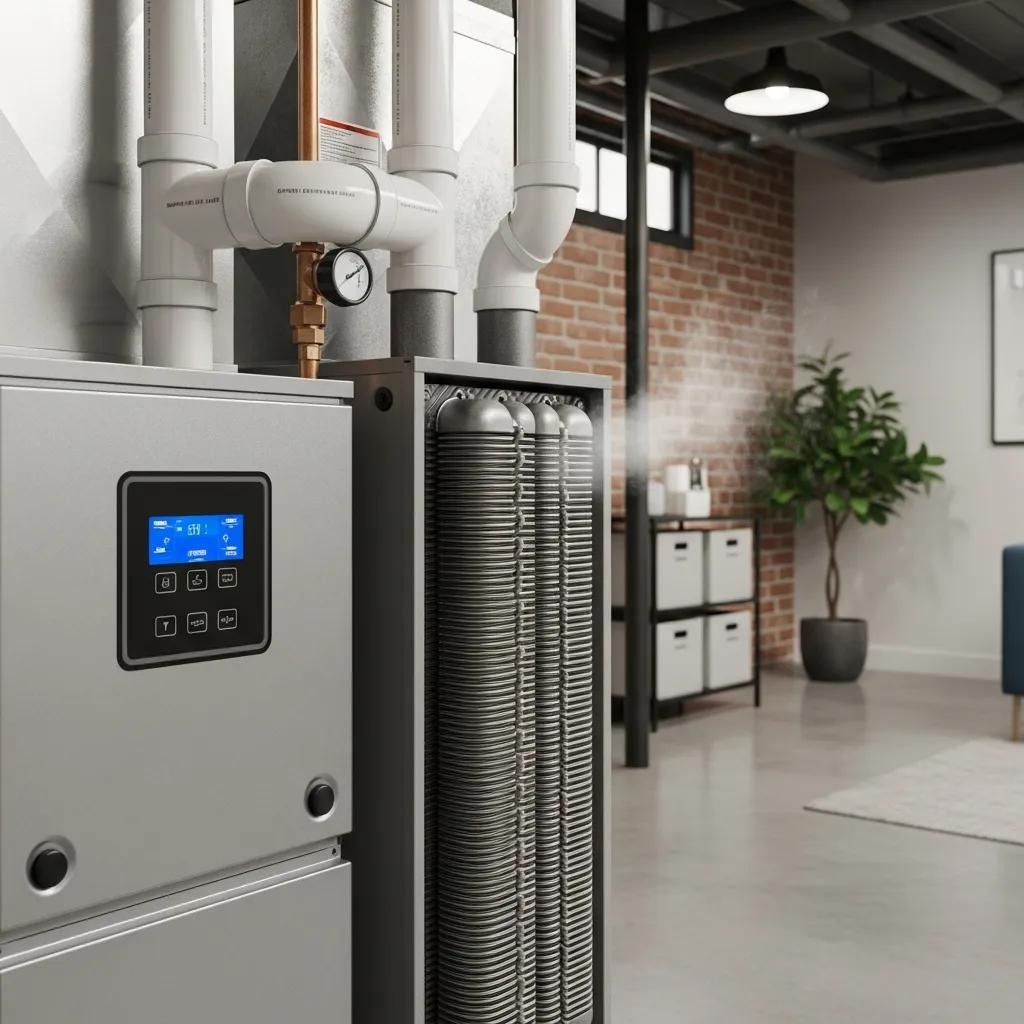
Condensing furnaces with AFUE ratings of 95% and higher capture most combustion heat and significantly cut winter gas use while still delivering strong heat output for cold Edmonton months. These units use a secondary heat exchanger to reclaim heat from flue gases, so they burn less fuel than older mid‑efficiency models. When choosing a furnace, consider AFUE, modulation capability, cold‑start durability, and compatibility with your ducting and controls — and pair the right model with quality installation practices to preserve real‑world efficiency.
Below is a practical comparison of common furnace categories and how they fit Edmonton conditions to help you choose the best option for your home and budget.
• High‑efficiency condensing furnace — Key Attribute (AFUE, Fuel): AFUE 95%+, Natural gas or propane — Value (Efficiency %, Suitability): 95–98% efficiency; ideal for steady, continuous heating in cold climates
• Modulating / two‑stage furnace — Key Attribute (AFUE, Fuel): Variable firing, gas — Value (Efficiency %, Suitability): 92–98% with better control; reduces short cycling and improves comfort
• Mid‑efficiency single‑stage furnace — Key Attribute (AFUE, Fuel): AFUE ~80–90%, gas — Value (Efficiency %, Suitability): 80–90% efficiency; lower upfront cost but higher seasonal fuel use
In short, condensing furnaces with modulation typically offer the best mix of efficiency and comfort for Edmonton. Remember: even the best equipment needs correct installation to deliver the expected savings.
• Main benefits of moving to a 95%+ AFUE furnace — Significantly lower gas use, smaller monthly bills, and more consistent indoor temperatures through Edmonton’s cold stretches.
• Modulating burners and variable‑speed blowers — Reduce short cycling, improve air distribution, lengthen equipment life, and raise real‑world efficiency.
• Right sizing and airflow tuning — Oversized furnaces waste energy through short cycles; undersized units can’t meet peak demand. Proper load calculations and airflow balancing are essential.
Upgrading the furnace pays off over time, but the savings depend on solid installation and good distribution — topics we cover next.
Why 95%+ AFUE Furnaces Deliver Real Savings
High‑AFUE furnaces turn almost all combustion energy into conditioned air, cutting exhaust heat loss and lowering natural gas use during long winters. The secondary heat exchanger pulls latent heat from flue gases and often lets installers use PVC venting in place of a hot chimney. For homeowners, that means lower monthly bills, less run time per heating degree day, and often steadier indoor humidity and comfort. Regular maintenance and combustion tuning keep those efficiency gains consistent across seasons.
Because Edmonton homes often run furnaces extensively, the cumulative savings from a 95%+ unit versus an older model can be substantial. The next section explains the installation steps that protect those efficiency gains.
How Proper Installation Preserves Energy Savings
Accurate load calculations, properly sized equipment, sealed and insulated ductwork, and verified venting are all required for a furnace to hit its rated AFUE in the field. Poor installation — leaky ducts, wrong combustion air, unbalanced airflow, or bad venting — can wipe out efficiency gains, cause short cycling, or create combustion issues. Commissioning checks like static pressure, airflow balancing, and ignition verification turn factory specs into real homeowner savings. Matched controls and thermostats also help the system run as intended and avoid wasted fuel.
Hiring professionals who follow codes and perform commissioning prevents common installation mistakes and secures the long‑term performance you expect.
How Do Cold‑Climate Heat Pumps and Hybrid Systems Improve Year‑Round Comfort?
Cold‑climate air‑source heat pumps extend efficient electric heating into lower outdoors temperatures by using advanced compressors, optimized refrigerants, and refined controls. They provide efficient heating through shoulder seasons and cooling in summer, all in one package. Hybrid systems pair a heat pump (for base load) with a furnace (for extremes), letting the heat pump run when it’s most efficient and the furnace take over when needed. That approach cuts fossil fuel use while keeping comfort and redundancy intact.
Comparing system types helps homeowners weigh trade‑offs and choose the setup that matches their comfort, energy, and resilience priorities.
• Cold‑climate air‑source heat pump — Operating Temp Range: Effective down to around −25°C (model dependent) — Backup / Primary Heat Source: Primary electric heat with built‑in defrost
• Hybrid (heat pump + furnace) — Operating Temp Range: Heat pump handles base; furnace for extremes — Backup / Primary Heat Source: Heat pump primary; furnace switches on at low temps
• Furnace‑only system — Operating Temp Range: Reliable at any outdoor temperature — Backup / Primary Heat Source: Fossil‑fuel primary; no built‑in cooling unless separate AC is added
Cold‑climate heat pumps and hybrids give seasonal efficiency plus summer cooling; hybrids add the security of a furnace during the coldest days. Choice depends on low‑temp performance, your fuel costs, and what you value most.
What Lets Cold‑Climate Heat Pumps Work in Edmonton Winters?
These units use variable‑speed compressors, refined refrigerant cycles, and larger heat exchangers to keep capacity and efficiency higher at low ambient temperatures than older models. Improved defrost strategies cut interruptions and limit the energy penalty from defrost cycles. A well‑matched cold‑climate heat pump can reduce total annual energy use by shifting heat from gas to efficient electric sources, while also providing summer cooling. Actual performance depends on model, installation location, and your house envelope — so check manufacturer low‑temperature ratings and independent test results for realistic expectations.
Defrost strategy and backup heat pairing are important when integrating these systems into Edmonton homes.
How Hybrids Combine Heat Pumps and Furnaces Effectively
Hybrid systems use control logic that typically switches between heat pump and furnace based on outdoor temperature or cost algorithms, letting the most efficient or economical source run. The heat pump handles most heating during mild and moderate cold, while the furnace provides fast, high‑output heat when temperatures drop or if electric rates spike. Correct controls and properly sized backup capacity are essential to get the energy‑saving benefits without sacrificing comfort during extreme cold.
Properly conpd hybrids balance year‑round savings with reliable peak performance for many Edmonton homes.
Why Install a Smart Thermostat in an Edmonton Home?
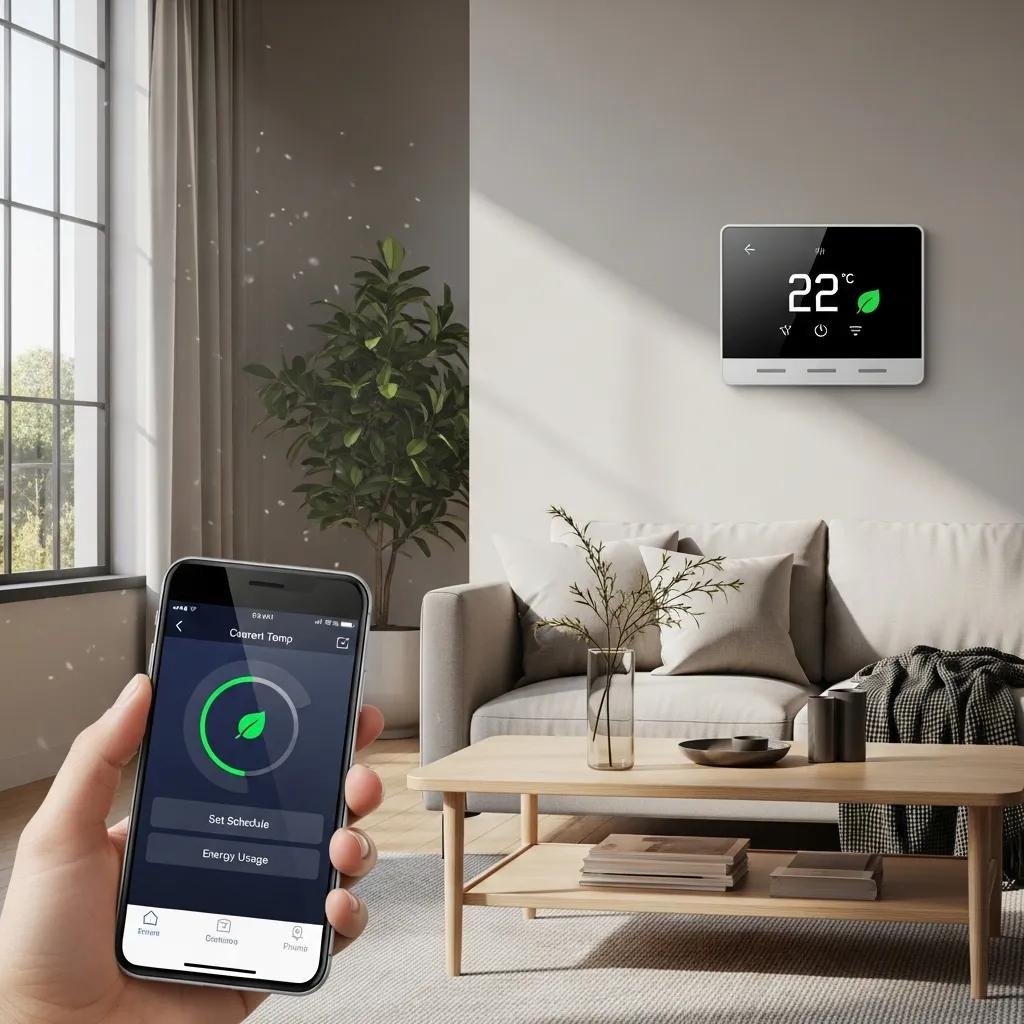
Smart thermostats cut wasted runtime and improve comfort using learning algorithms, schedules, geofencing, and remote access. They can prioritize heat pump operation during efficient windows, coordinate with hybrid systems, and produce energy reports that show where savings happen. When paired with variable‑speed equipment and zoning, smart controls match airflow to demand and reduce unnecessary run time. For Edmonton homeowners, a smart thermostat is a relatively low‑cost upgrade that unlocks more value from efficient equipment and well‑sealed distribution.
Before you buy, confirm compatibility with your heat source and wiring so the thermostat can properly control multi‑stage systems or heat pumps.
• Smart thermostats reduce energy waste — Automatic setbacks during absences or predictable routines cut unneeded heating and cooling and lower bills.
• Remote and app control — Precondition your home only when needed and avoid long recovery periods that waste energy.
• Data and reporting — Usage reports help homeowners and contractors verify savings and find further efficiency opportunities.
These features make smart thermostats a practical bridge between equipment upgrades and better daily energy habits.
How Smart Thermostats Improve Comfort and Efficiency
Occupancy sensing, adaptive routines, and staged recovery let smart thermostats shorten run times without sacrificing comfort. In heat pump or hybrid setups, smart controls can favor the heat pump when it’s efficient and let the furnace kick in only when necessary, cutting fuel use. Remote alerts and diagnostics also flag problems like short cycling or persistent temperature drift so you can fix them sooner. Paired with zoning and variable‑speed equipment, smart thermostats help target comfort room‑by‑room while minimizing total system runtime.
Getting the best results requires correct wiring, control mapping, and a short tuning period for the unit to learn your home’s thermal patterns.
What Features Matter When Choosing a Smart Thermostat?
Pick a thermostat that supports heat pump logic, multi‑stage equipment, and remote diagnostics so it works smoothly with hybrids or modulating furnaces common in Edmonton. Look for geofencing, adaptive recovery, energy reporting, and integration with zoning or whole‑home ventilation. Open standards and installer tools simplify commissioning and future adjustments, while a strong app ecosystem improves day‑to‑day use. Finally, confirm the device meets local code and safety interlocks so it doesn’t create control conflicts.
A simple compatibility checklist up front prevents wasted cost and ensures the thermostat enhances, not hinders, system efficiency.
How Can Edmonton Homeowners Maximize Savings with Rebates and Financing?
Federal, provincial and local programs plus contractor financing can significantly cut the net cost of efficient HVAC upgrades, and financing smooths upfront expense so savings start sooner. Programs like the Canada Greener Homes Loan (where available) and local rebates often require pre‑ and post‑retrofit assessments and certified equipment lists. Knowing program steps and documentation requirements ahead of time prevents surprises. Combining rebates, loans, and contractor financing can shorten payback periods and make upgrades affordable.
The table below summarizes common program types, who’s eligible, and practical steps to apply so homeowners can prepare before ordering equipment.
• Canada Greener Homes Loan (example) — Eligibility: Homeowners who meet retrofit criteria and complete required assessments — Steps to Apply: Do a pre‑retrofit audit; apply for the loan; complete work; submit proof
• Provincial or utility rebates (varies) — Eligibility: Depends on equipment model and certified installer requirements — Steps to Apply: Check program rules; choose qualifying equipment; keep receipts and documentation
• Contractor financing options — Eligibility: Available through lenders partnered with contractors — Steps to Apply: Request terms from your contractor; review monthly cost and interest
Combining assessment‑based rebates and loan products can cut upfront cost and improve project ROI. Work with an installer who knows the paperwork to streamline approvals and ensure you meet every requirement.
• Gather pre‑retrofit documentation and an energy assessment — Most programs require this; it confirms eligibility and prevents later disqualification.
• Prioritize measures on program lists — Certified cold‑climate heat pumps and 95%+ AFUE furnaces often qualify for the biggest incentives.
• Compare contractor financing to government loan terms — Look at total cost over the payback horizon to pick the best option for your budget.
Smart use of financing and rebates can make efficiency upgrades financially attractive while accelerating the timeline to energy savings.
Which Government Rebates and Loans Apply to HVAC Upgrades?
There are several federal and local programs that support energy‑efficient heating and cooling, but many require a pre‑retrofit audit and certified equipment to qualify. The Canada Greener Homes Loan is an example of financing aimed at qualifying retrofits, including heat pumps and high‑efficiency furnaces when paired with assessments. Utilities or municipalities may offer additional rebates for specific models or installation practices. Because program details change, confirm current eligibility and paperwork before ordering equipment or scheduling work.
Working with an installer who understands program rules reduces the chance of missing required documentation or pre‑approval steps.
How Financing Makes Efficient HVAC More Affordable
Spreading upfront costs into monthly payments lets homeowners install higher‑efficiency systems now and start capturing energy savings immediately. With competitive rates, interest‑free offers, or government loans, the monthly savings from lower energy use can exceed the added payment, creating positive cash flow. Combining rebates, loans, and contractor financing usually yields the lowest net cost and shortest payback. Review amortization, fees, and prepayment terms so financing matches expected savings and your financial plan.
Financing also lets you prioritize the highest‑impact measures first and phase lower‑priority work over time as budgets allow.
Why Work with Habberjam at Home for Energy‑Efficient HVAC Upgrades?
We help Edmonton homeowners plan and install HVAC upgrades that deliver measurable savings and dependable comfort. Our process starts with a targeted home energy assessment to diagnose root causes, then we recommend equipment and distribution fixes that match cold‑climate needs, including duct sealing and proper controls. We also help maximize incentives and explain financing so you can make cost‑effective decisions. For personalized planning or to book an assessment, call (780) 451-3673 and talk with a local team that understands Edmonton’s climate and homes.
We provide full‑service support from assessment through commissioning and ongoing maintenance so your upgrades keep delivering comfort and savings over the long term.
How Our Process Delivers Reliable Installation and Ongoing Support
We begin with an assessment, move through equipment selection and permitting when required, and finish with professional installation, commissioning, and homeowner onboarding to ensure long‑term satisfaction. After installation we offer planned maintenance and troubleshooting to preserve efficiency and extend equipment life. We also help with incentive paperwork and financing guidance to reduce upfront costs. Our end‑to‑end approach keeps projects on schedule, compliant with program rules, and focused on delivering the expected energy savings and comfort results.
If you’d like help prioritizing upgrades or navigating rebates and financing, our team can create a clear plan and manage the project from assessment through commissioning — call (780) 451-3673 to connect with a local specialist.

Customer Testimonials
Hear from satisfied customers who trust us for reliable HVAC and plumbing service across Edmonton



Customer Testimonials
Hear from satisfied customers who trust us for reliable HVAC and plumbing service across Wichita.
Service Areas