
Diagnosing Lukewarm On-Demand Hot Water: When to Flush vs. When to Replace Parts

The Chilling Reality of Lukewarm Showers
When you step under the showerhead expecting endless heat only to be met with a tepid stream, understanding the basics of Diagnosing Lukewarm On-Demand Hot Water: When to Flush vs. When to Replace Parts can save you from immense frustration. This is especially true when you invested in a tankless system specifically for its promise of unlimited comfort. When an on-demand heater fails to reach your desired temperature, it generally points to one of two distinct underlying issues: either the internal components are choked by mineral scale, or a critical sensor has failed entirely.
During an Edmonton deep winter, the strain on your home's plumbing systems reaches its peak. At Habberjam At Home, our technicians see this exact scenario play out every year when freezing outdoor temperatures directly impact the water entering your home, pushing your water heater to its absolute mechanical limits. Resolving a lukewarm output requires professional assessment to accurately determine the root cause. Without proper diagnostic testing, you risk paying for unnecessary part replacements when a thorough cleaning might have solved the problem, or conversely, paying for a flush when a component is genuinely dead.
If you are tired of shivering through your morning routine, reaching out for professional plumbing and HVAC services is the most efficient way to restore your system's performance and protect your investment.
Understanding the Impact of Temperature Rise (Delta-T)
To understand why your tankless heater is struggling, you first need to understand a mechanical concept known as temperature rise, or delta-T. In the plumbing world, delta-T refers to the difference between the temperature of the cold groundwater entering your home and the target hot water temperature you set on your thermostat.
On-demand water heaters do not store pre-heated water; they must flash-heat the water as it flows through the unit's heat exchanger. Every tankless model has a maximum delta-T it can achieve at a given flow rate. If you demand more heat than the unit's burner capacity can provide in that split second, the system will prioritize flow over temperature, resulting in a lukewarm output.
Why Winter Exposes Hidden Flaws
This dynamic becomes critical during the colder months. In our region, winter groundwater temperatures frequently drop near freezing. If the incoming water is 35°F and your shower is set to 120°F, your tankless unit must execute a massive 85-degree temperature rise instantly. This extreme delta-T strain maximizes the workload on the heat exchanger.
When the required temperature rise of incoming groundwater is this high, even the smallest loss in efficiency becomes glaringly obvious. A system that performed perfectly well in August when the groundwater was warmer will suddenly fail to keep up in January. This is why our professional plumbing repair services team sees a massive spike in tankless performance complaints during the first Edmonton deep freeze of the year. The cold does not necessarily break the heater; it simply exposes existing inefficiencies that were previously hidden.
Symptoms of Scale Buildup vs. a Faulty Sensor
Homeowners often confuse a dirty system with a broken system because the end result—a lack of hot water—feels exactly the same. However, the specific symptoms leading up to that cold shower can offer vital clues about what is happening inside the cabinet. Understanding these differences helps set realistic expectations for the repair process.
Contrasting the Warning Signs
• Temperature Changes — Indications of Scale Buildup: Gradual, progressive loss of peak temperature over several months. — Indications of Component Failure: Sudden, abrupt drops to cold water (the "cold water sandwich").
• Water Flow Rate — Indications of Scale Buildup: Noticeably reduced water pressure at hot water fixtures. — Indications of Component Failure: Normal flow rate, but the water simply refuses to heat up.
• System Alerts — Indications of Scale Buildup: Occasional warnings related to exhaust temperatures or restricted flow. — Indications of Component Failure: Specific, persistent digital error codes locking out the system.
• Trigger Events — Indications of Scale Buildup: Worsens when multiple fixtures run simultaneously. — Indications of Component Failure: Happens unpredictably, even when only a single faucet is running.
The overlap confusion: These symptoms frequently overlap, which is why guesswork is ineffective. For instance, a flow sensor choked by a small piece of scale might trigger an error code that looks identical to an electrical failure. Only a professional physical inspection can determine whether the component needs to be scrubbed clean or thrown in the trash.

How Hard Water Accelerates Efficiency Loss
The primary enemy of an on-demand water heater is hard water. When water containing high levels of dissolved calcium and magnesium is subjected to rapid, intense heat, a chemical reaction occurs. The minerals precipitate out of the liquid and bond to the metallic surfaces of the heat exchanger.
The Insulating Barrier Effect
Inside a tankless unit, water travels through a maze of narrow copper or stainless steel tubing, while a powerful gas burner applies flames to the exterior of those tubes. The metal transfers the heat into the water. However, when scale forms on the inside of these tubes, it creates a rigid, chalky barrier between the metal and the water.
Scale is an exceptional insulator. Even a fraction of an inch of mineral buildup severely restricts heat transfer. The burner will fire at maximum capacity, consuming fuel and generating immense heat, but that heat cannot penetrate the mineral wall fast enough to warm the water rushing past it. The result is lukewarm water at the tap and dangerously hot exhaust gases venting out of the unit.
This insulating effect often mimics a broken thermistor or a failing flow sensor. The internal computer reads that the water isn't getting hot enough, assumes a part has failed, and may shut the system down entirely. This is why addressing hard water problems in Edmonton is a crucial preventative measure for protecting high-efficiency plumbing appliances.
Our Transparent Diagnostic Process for Tankless Systems
When you call a professional because your shower is running cold, you deserve to know exactly what is being tested and why. Guessing leads to expensive, unnecessary part replacements. A rigorous, transparent diagnostic process is the only way to protect your wallet and ensure the correct repair is performed.
During a typical winter service call, you might find yourself struggling with a tankless system that simply cannot keep up with the cold groundwater. When a Habberjam At Home technician attends to your system, they don't just start swapping parts. We systematically identify the underlying problem and perform targeted repairs, ensuring clear communication throughout the entire process so you understand exactly what you are paying for.
Step-by-Step System Assessment
1. Visual and Error Code Review: The technician begins by pulling the diagnostic history from the unit's computer board, looking for specific lockout codes that indicate whether the system is detecting a localized sensor failure or a broader flow restriction.
2. Mechanical Flow Testing: By measuring the actual volume of water moving through the unit (gallons per minute), the technician can determine if severe scale buildup has physically choked the internal piping.
3. Temperature Rise Verification: The technician measures the exact temperature of the incoming cold water and compares it against the outgoing hot water, calculating the real-world delta-T to see if the heat exchanger is underperforming.
4. Sensor Continuity Testing: Using a specialized multimeter, the technician tests the electrical resistance of the thermistors and flow sensors. If the electrical readings fall outside the manufacturer's specified range, the part is verified as dead.
By relying on hard data rather than assumptions, trusted Edmonton plumbers ensure you are never sold a new computer board or flow sensor when all your system really needed was a thorough descaling.
When a Professional Descaling Flush is the Answer
If the diagnostic tests reveal that the sensors have proper electrical continuity but the heat transfer is failing, a professional descaling flush is usually the prescribed solution. This process is designed to dissolve the insulating mineral barrier and restore the heat exchanger to its factory efficiency.
What the Technician Does
A professional flush involves isolating the tankless unit from your home's main plumbing using specialized service valves. The technician then connects a submersible pump and circulates a dedicated, food-grade acidic descaling solution through the heat exchanger for 45 to 60 minutes. This chemical reaction breaks down the calcium and magnesium deposits, flushing them out of the narrow tubing.
Once the mineral barrier is removed, the heat from the burner can once again transfer directly into the water, immediately resolving the lukewarm output. Because this process requires handling acidic solutions, managing precise pump pressures, and safely isolating gas appliances, it requires a licensed professional to execute safely without damaging the internal seals.
Technicians also use this time to assess the broader mechanical room. In fact, during a routine fall visit to perform a tankless flushing and maintenance service, a technician will often professionally answer your operational questions while also checking the home's adjacent hydronic systems. If you rely on radiant heat, this is the perfect time to ensure your boiler services are up to date before the deep freeze arrives.
Signs That It's Time for Part Replacement
While scale is a common culprit, mechanical and electrical components do eventually wear out. An on-demand water heater is essentially a high-powered computer attached to a gas burner. When the parts that communicate with that computer fail, the system cannot regulate gas flow or water temperature safely.
Common Failing Components
• Flow Sensors: This critical part contains a tiny internal turbine that spins as water enters the unit. It tells the computer exactly how much water is flowing so the burner can ignite at the correct intensity. If the sensor fails, the unit will not fire at all, or it will fire inconsistently.
• Thermistors: These are temperature sensors located on both the incoming and outgoing water lines. They constantly monitor the delta-T. If a thermistor shorts out, it may tell the computer the water is already boiling when it is actually freezing, causing the burner to throttle down and deliver lukewarm water.
• PC Boards: The main control board is the brain of the operation. Power surges or long-term exposure to excess moisture can cause the board to misinterpret signals from perfectly healthy sensors.
Verifying the Failure
A professional technician verifies a part is dead by testing its electrical resistance. If a thermistor is supposed to read 10,000 ohms at room temperature but reads infinite resistance, the part is definitively broken. Replacing these components requires accessing the sealed combustion chamber and recalibrating the gas valves, which must be handled by a professional to ensure safe combustion.
The best way to catch these failing parts before they leave you with a cold shower is through regular, professional inspections. Enrolling in a proactive maintenance plan ensures that technicians test these sensors annually, replacing weakened components before they fail entirely during a winter cold snap.
Frequently Asked Questions
Why is my tankless water heater not getting hot enough?
Your tankless water heater is likely struggling with an extreme temperature rise demand or internal scale buildup. When winter groundwater temperatures drop, the unit must work significantly harder to reach your set temperature. If the heat exchanger is coated in mineral scale, the burner's heat cannot transfer efficiently into the water, resulting in a lukewarm output even when the unit is running at full capacity.
How do you know if your tankless water heater needs flushing?
The most common signs that your system needs flushing include a gradual loss of hot water temperature, reduced water pressure at your hot taps, and the unit running louder than usual. You might also notice your system struggling to keep up when multiple fixtures are running simultaneously. Manufacturers strongly recommend a professional flush annually, especially in regions with hard municipal water, to prevent these symptoms from developing.
What are the signs of a bad flow sensor on a tankless water heater?
A bad flow sensor usually presents as a sudden, unpredictable failure to produce hot water, even though your water pressure remains normal. You may experience "cold water sandwiches" where the water turns hot, goes freezing cold, and then gets hot again. Additionally, a failing flow sensor will almost always trigger a specific digital error code on the unit's control panel, locking the system out for safety.
Why does my tankless water heater go cold during a shower?
This frustrating issue, known as a cold water sandwich, happens when the unit's flow sensor or thermistor sends erratic signals to the computer, causing the gas burner to shut off momentarily. It can also occur if the showerhead's flow rate drops below the unit's minimum activation threshold. A technician will need to test the electrical continuity of the sensors to determine if a part is failing or if the system simply needs recalibration.
Why is my tankless water heater lukewarm in winter?
Winter groundwater is significantly colder than summer groundwater, meaning your heater has to work much harder to achieve the necessary temperature rise (delta-T). If your unit is slightly undersized for your home's flow demand, or if minor scale buildup is insulating the heat exchanger, the extreme cold will expose these inefficiencies. The unit will prioritize keeping the water flowing over keeping it hot, leaving you with lukewarm water.
How do plumbers test a tankless water heater flow sensor?
Plumbers test flow sensors using a specialized digital multimeter to check the component's electrical resistance and continuity. They will disconnect the sensor from the main control board and measure the voltage or ohm readings while water is moving through the unit. If the readings do not match the manufacturer's precise specifications, the technician can definitively confirm the part has failed and requires replacement.
Does hard water ruin tankless water heaters?
Yes, untreated hard water will severely damage a tankless water heater over time if the unit is not professionally maintained. The dissolved calcium and magnesium precipitate out under high heat, forming a rigid scale barrier inside the narrow heat exchanger tubes. Without regular acidic flushing, this scale will eventually choke the water flow entirely, overheat the internal components, and lead to premature, unrepairable system failure.
Restoring Your Home's Comfort
Dealing with lukewarm water during a freezing winter morning is a miserable experience, but you don't have to guess at the solution. Whether your system is choked by hard water scale or suffering from a failed flow sensor, a professional diagnostic approach ensures you get the right fix the first time. By relying on exact measurements and transparent testing, technicians can provide a clear, professional explanation of your system's health, giving you total confidence in the repair process and restoring your endless hot water reliably.

Customer Testimonials
Hear from satisfied customers who trust us for reliable HVAC and plumbing service across Edmonton



Customer Testimonials
Hear from satisfied customers who trust us for reliable HVAC and plumbing service across Wichita.
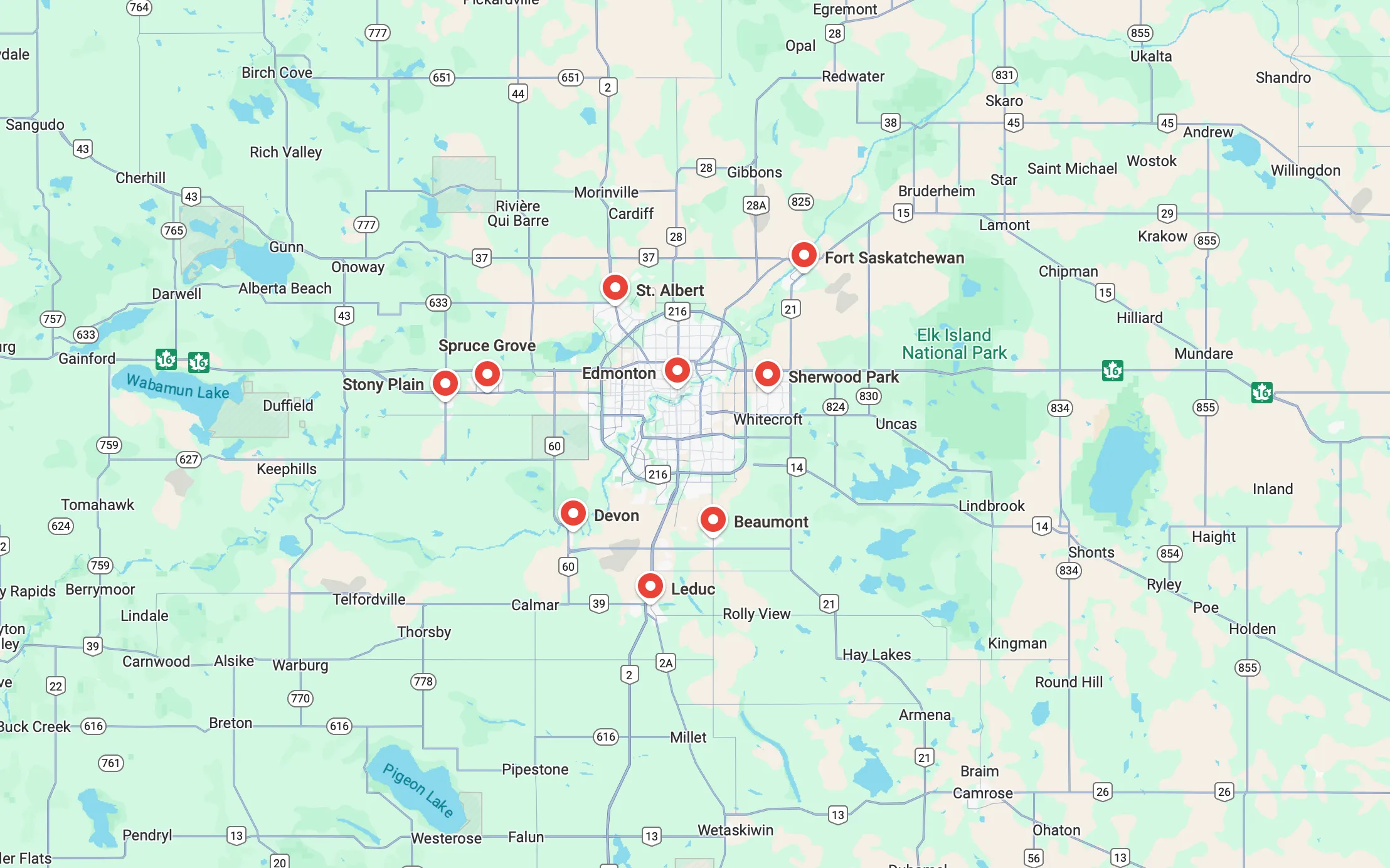
Service Areas